📅July 26, 2025
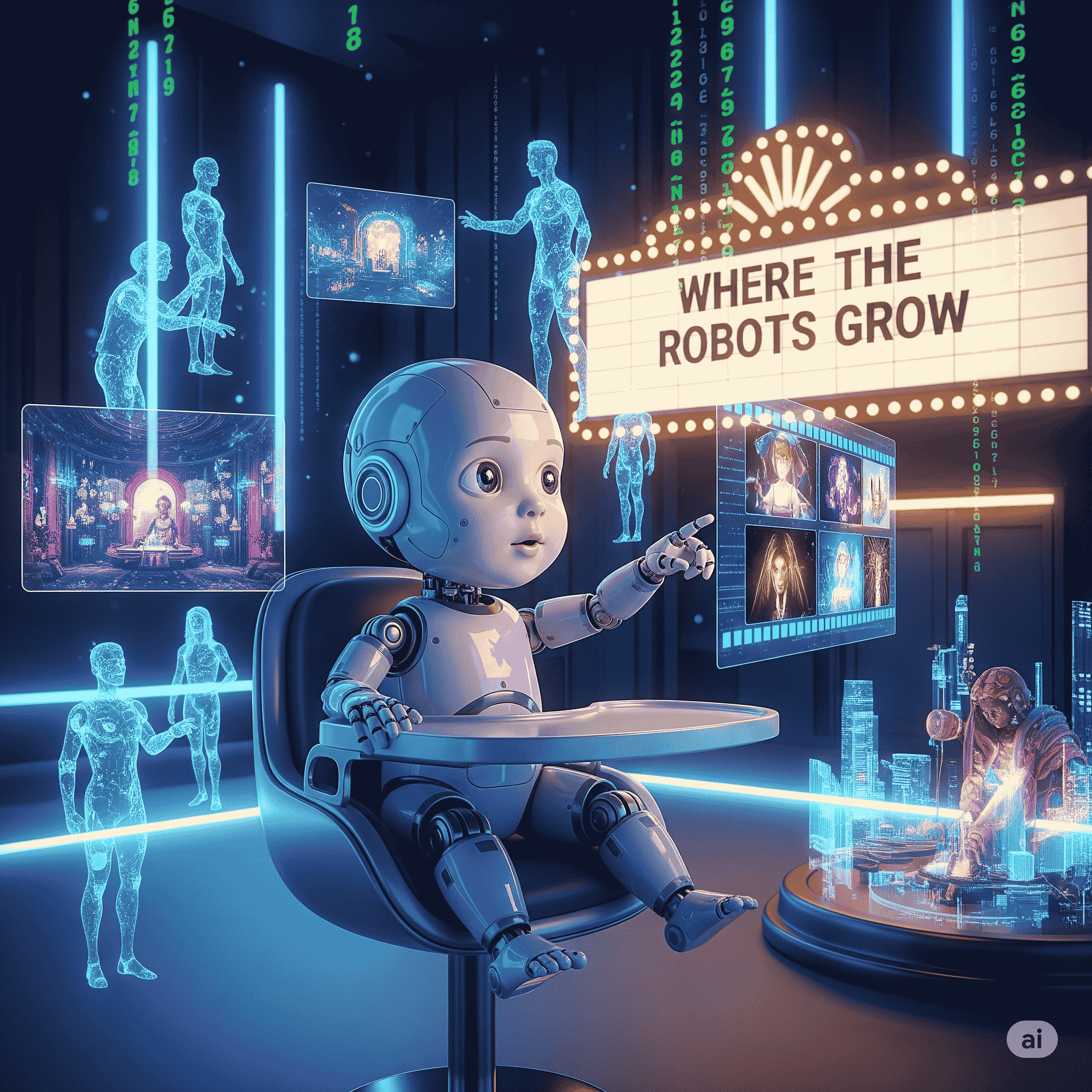
The future of filmmaking isn’t coming — it’s already here. In late 2024, AiMation Studios quietly released a groundbreaking sci-fi animation titled “Where The Robots Grow”. What made it extraordinary wasn’t just the story, but how it was made: by a small team using a powerful arsenal of AI tools, positioning the film as the first fully AI-made movie — though the truth, as always, is more nuanced.
🎬 What Is “Where The Robots Grow”?
Set on a distant planet called Oracle, Where The Robots Grow follows a farming robot named Cru. Sent to prepare a new world for human life after Earth’s collapse, Cru’s routine existence is shaken when it discovers the last human baby. What unfolds is a deeply emotional journey about identity, survival, and what it means to have purpose — even if you’re made of code and circuits.
With a runtime of 88–90 minutes, this feature-length film balances thought-provoking themes with stunning visuals, marking a creative milestone in AI-assisted storytelling.
🧠 How Much of It Was AI-Made?
Although marketed as “fully AI-generated,” the reality is that the film blends 25% AI-generated visuals with 75% AI-assisted CGI. Rather than replacing artists and animators, AI was used to enhance production speed and reduce costs. This hybrid method is key to understanding the future of AI in cinema — it's not about removing humans, but supercharging what they can do.
🛠️ Tools Behind the Movie
Creating a high-quality animated film usually takes years. But Where The Robots Grow was completed in just 90 days — thanks to a suite of advanced AI filmmaking tools:
🎞️ Visual & Animation Generation
Runway (Gen-2/Gen-4): Used for generating scenes, transitions, and stylized content from text prompts.
OpenAI’s Sora: Early adopters like AiMation likely used this to create photorealistic sequences.
Luma’s Dream Machine & Vidu: Competitors offering text-to-video and motion stylization.
🎤 Voice & Sound
- ElevenLabs: Provided lifelike AI voiceovers for all characters, eliminating traditional casting costs.
📝 Script & Pre-Production
ChatGPT and Claude: Assisted in brainstorming, storyboarding, and dialogue generation.
Nolan AI: Specialized in scriptwriting formats and revisions.
🎨 Post-Production
Wonder Studio: Automated the animation and integration of CG characters.
Adobe Creative Suite (Photoshop, After Effects): With AI features like Generative Fill and content-aware tools.
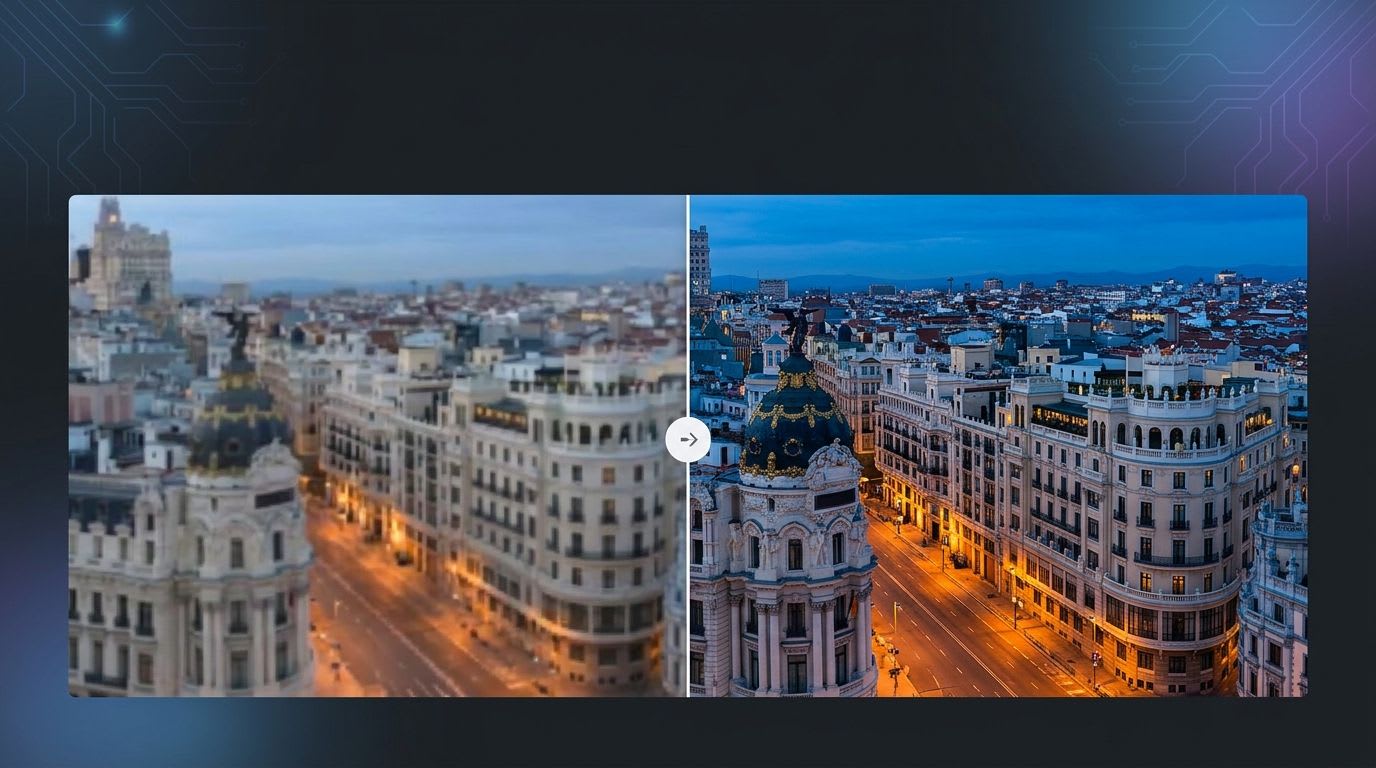
Pixop: AI-driven video upscaling and restoration.
Move AI: Motion capture without suits — just from videos.
💸 Budget & Business Model: A Disruptive Shift
The biggest shocker? Where The Robots Grow was made for just $696,000 (approx. Rs. 5.95 Crore PKR) — a fraction of what animated features typically cost.
Only 9 people worked on the project. The reduced need for large crews, studio space, or manual VFX work slashed expenses and timelines. AiMation Studios completed the entire project in under three months, opening the doors to rapid, high-quality, AI-enhanced production cycles.
And they aren’t stopping at just the film — they’re pioneering a microtransaction distribution model, moving away from platforms like Netflix or Disney+. Imagine paying a small fee per movie or even per episode, optimized for direct-to-viewer AI content.
🌍 Democratizing the Film Industry
With these tools becoming increasingly accessible, anyone with a story and an internet connection can now create cinema-grade visuals. That’s the real revolution.
Small studios, indie creators, even solo artists can now compete with giants — not by replacing creative vision, but by offloading the technical overhead to AI. This will likely lead to a surge in global, multilingual, and diverse storytelling, unbound by Hollywood norms.
The Future Is Hybrid
Despite the “AI-made” headline, Where The Robots Grow makes a strong case for a hybrid model: Let AI handle the tedious, repetitive work — and let humans focus on what we do best: telling emotionally rich stories.
With investment pouring in, tools like Runway, ElevenLabs, and Wonder Studio are only getting more powerful. Expect more AI-driven films, short series, and even interactive experiences to emerge in the next few years.
🧩 Final Thoughts
Where The Robots Grow isn’t just a movie — it’s a prototype of the next cinematic era. It proves that AI, when used wisely, can lower barriers, unlock creativity, and change the economics of production. But it also raises important ethical and creative questions the industry must answer soon.
If you're a creator, filmmaker, or just curious about the future of media — this film is a must-watch and a moment to remember.
🔗 Watch the trailer or learn more at AiMation Studios
🛠 Explore the AI filmmaking tools powering this revolution